

 The Steady Supply

 Personalized Vibes
Seasonal Affective Disorder: A Survival Guide
Let’s talk about the elephant in the room. Or, more accurately, the person-shaped blanket burrito on the couch who hasn’t seen daylight in four days and is beginning to question the point of putting on real pants.
It’s that time of year again: the sun will start clocking out somewhere around 4:30 PM, the temperature will make leaving the house feel like an extreme sport, and it may not be freezing YET, but the anticipation has you shaking in your little space boots (if you don’t already, you’ll get this in a minute.)
While a little extra coziness is part of the seasonal charm, there’s a difference between enjoying a slower season and feeling like your mood, motivation, and general will to participate in society have packed their bags and moved somewhere tropical.
For some people, this goes beyond the occasional winter slump. It’s called Seasonal Affective Disorder (SAD), and it’s a very real form of depression that can show up when the seasons change. Thankfully, there are ways to support your mood, energy, and overall well-being when the days get shorter.
Because hibernating until April is technically an option, but probably not the most practical one.

What Exactly Is Seasonal Affective Disorder?
Seasonal Affective Disorder is a type of depression that follows a seasonal pattern. Most commonly, symptoms begin in late fall or early winter and improve as spring and summer roll around.
Think of it as your brain having a very strong preference for summer and making absolutely everyone aware of it.
SAD can affect people differently, but common symptoms include:
- Feeling down, hopeless, or unusually irritable
- Low energy and persistent fatigue
- Sleeping more than usual but still feeling exhausted
- Losing interest in activities you normally enjoy
- Difficulty concentrating or getting motivated
- Craving carbohydrates and experiencing changes in appetite
- Withdrawing socially and wanting to spend significantly more time alone
Basically, if your idea of a productive Saturday has become moving from your bed to your couch and back again, it might be worth paying attention to how you’ve been feeling.

Why Does Winter Mess With Our Mood?
We tend to underestimate just how much sunlight influences our bodies.
Our brains use light as an important signal for regulating our circadian rhythm, which is our internal 24-hour clock. This clock helps coordinate everything from sleep and wakefulness to hormone production and energy levels.
When daylight hours shrink, that entire system can be affected.
There are a few important players involved:
Serotonin: This neurotransmitter helps regulate mood, and changes in sunlight exposure may affect serotonin activity in the brain.
Melatonin: This hormone helps regulate sleep. Changes in daylight can affect its production and timing, potentially leaving you feeling sleepier and more sluggish.
Your circadian rhythm: Less morning light and longer periods of darkness can throw off your internal clock, affecting sleep patterns, alertness, and mood.
In other words, your body isn’t necessarily being dramatic. It’s responding to environmental changes that can influence some pretty important biological processes.

7 Ways to Give Your Winter Mood a Little Support
You don’t have to completely reinvent your life every November. Small, consistent changes can make a meaningful difference, especially when you start incorporating them before you’re already deep into your annual winter slump.
1. Get Yourself Some Actual Sunlight
Natural light is one of the most important signals for your circadian rhythm. Getting outside during daylight hours, particularly in the morning, can help support your body’s internal clock and daytime alertness.
Even when it’s cloudy, outdoor light is generally much brighter than typical indoor lighting.
Try taking a morning walk, drinking your coffee outside, or simply getting out of the house for 15–20 minutes during the day.
And yes, this still counts when it’s cold. Bundle up like you’re preparing for an Arctic expedition and get yourself outside.
2. Consider a SAD Light
If winter sunlight is in short supply, a light therapy box might be worth investigating.
Bright light therapy is one of the most established treatments for winter-pattern SAD. A typical protocol involves using a UV-filtered 10,000-lux light box for approximately 30–45 minutes each morning.
The idea is to mimic some of the effects of natural morning sunlight and help regulate your body’s internal clock.
Consistency matters more than occasionally staring into a lamp and hoping for a personality transplant.
Look for a purpose-built, UV-filtered light therapy device and follow its instructions. Light therapy isn’t appropriate for everyone, particularly people with certain eye conditions, bipolar disorder, or medications that increase light sensitivity, so check with your healthcare provider first.

3. Move Your Body (Even When You Really, Really Don’t Want To)
Exercise might be the last thing you feel like doing when your energy is low, but regular physical activity can support mood, sleep, and overall mental well-being.
And no, we’re not suggesting you suddenly become the person who wakes up at 5 AM to run uphill in the snow. Let’s all remain realistic.
Find something you actually enjoy. Yoga, dancing around your kitchen, strength training, walking, stretching, or taking a class with a friend all count.
The goal isn’t to punish yourself into feeling better. It’s to give your body an opportunity to move, release some tension, and get out of your head for a while. Bonus points if you can get outside while doing it.
4. Eat to Support Your Energy and Mood
Winter has a way of making comfort food particularly appealing. We’re definitely not here to take away anyone’s soup, potatoes, or occasional cookie.
But what you eat can influence how you feel throughout the day, so try to prioritize balanced meals that support steady energy.
A few things to focus on:
- Protein: Include quality protein with meals to support energy, muscle maintenance, and overall nutrition.
- Healthy fats: Avocados, olive oil, nuts, seeds, and fatty fish provide nutrients that support general health.
- Fiber-rich foods: Vegetables, fruits, and whole grains help support gut health and provide important vitamins and minerals.
- Omega-3 fatty acids: Foods like salmon, sardines, chia seeds, and walnuts provide omega-3s, which are important for brain and overall health.
It’s also worth checking your vitamin D levels with your healthcare provider. Vitamin D deficiency is relatively common during winter, when sun exposure is reduced. Supplementation may be appropriate if your levels are low.
The takeaway? Feed yourself like someone you care about. You deserve that, even when you want to treat yourself because you survived the sun setting at 4pm.

5. Don’t Let Your Social Life Die With Daylight Savings
When the weather gets cold and the days get shorter, it’s tempting to cancel every plan, ignore every text, and become one with your living room.
Sometimes a quiet night at home is exactly what you need. But consistently withdrawing from the people and activities you enjoy can make low moods feel even heavier.
Make plans that give you something to look forward to. Have dinner with friends, try a new class, host a cozy night in, go see live music, or schedule a weekend adventure.
You don’t need to be the life of the party. You just need a few reminders that life is still happening outside your Netflix account.
And if social anxiety or stress makes getting out there feel more difficult, finding ways to feel grounded and comfortable in social settings can be helpful.
6. Protect Your Sleep Routine
When it’s dark outside before you’ve even finished your workday, your sleep schedule can get a little confused.
Try to maintain relatively consistent sleep and wake times, get natural light in the morning, and create a relaxing nighttime routine.
A few simple ideas:
- Dim the lights in the evening.
- Limit stimulating screen time before bed.
- Keep your bedroom cool and comfortable.
- Avoid excessive caffeine late in the day.
- Give yourself time to unwind before trying to sleep.
The goal is to give your nervous system a chance to transition out of go-go-go mode.

7. Find Little Ways to Make Winter More Enjoyable
This one might sound obvious, but it’s easy to spend the entire winter waiting for it to end. Instead of treating the next few months like an unfortunate administrative error, find things that make this season enjoyable.
Make a new recipe. Take a weekend trip. Start a creative project. Have a movie night. Try a new hobby. Buy the ridiculously expensive candle. Wear the cozy socks.
And, perhaps most importantly, make room for FUN. Not everything needs to be productive, optimized, monetized, or somehow connected to your personal growth journey.
Sometimes you just need to laugh until your stomach hurts and remember that being alive is supposed to be enjoyable.
A Little Extra Support From TONIC
We know that feeling your best isn’t always as simple as getting outside, eating your vegetables, and deciding to have a better attitude.
Sometimes you need a little help winding down. Sometimes you need a little encouragement to get out of your head and back into the world.
While CBD isn’t a treatment for Seasonal Affective Disorder, it can be part of a broader self-care routine for people looking to support relaxation, stress management, and more balanced energy and mood.
The O.G. TONIC: For Getting Back Into Your Groove

The O.G. TONIC combines CBD and ashwagandha in a blend designed to support a sense of calm, balance, and everyday well-being.
It’s our go-to for those days when you want to feel a little more grounded without feeling like you’ve been wrapped in a weighted blanket and gently placed into storage.
Think workday stress, social situations, creative projects, or getting yourself back into a flow state.
If you’re looking for something to complement your daytime routine while supporting a calmer approach to life’s many ridiculous demands, The O.G. is a great place to start.
Chill TONIC: For When Your Nervous System Needs a Vacation
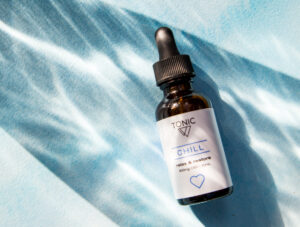
Sometimes the answer isn’t doing more. Sometimes it’s doing considerably less.
Chill TONIC is our most zen blend, combining CBD, ashwagandha, lemon balm, passionflower, and black seed oil.
It’s designed for those moments when stress feels a little louder than usual and you could use some help settling into a more relaxed state.
Whether you’re dealing with an especially stressful week, struggling to switch off in the evening, or simply looking to make your nighttime wind-down routine a little more intentional, Chill is a lovely addition.
Consider it your invitation to stop treating every minor inconvenience like a five-alarm fire. A little calm can go a long way.
One More Thing: You Don’t Have to Just Tough It Out
We want to make one thing clear: if you’re experiencing persistent low mood, loss of interest, significant fatigue, or other symptoms that are interfering with your everyday life, please don’t dismiss them as just the winter blues.
Seasonal Affective Disorder is treatable. Evidence-based options include light therapy, cognitive behavioral therapy specifically adapted for SAD (CBT-SAD), and medication when appropriate. A healthcare professional can help you figure out what’s going on and find an approach that works for you.
If symptoms last more than two weeks, worsen, or make it difficult to function, reach out for professional support. If you’re experiencing thoughts of suicide or self-harm, seek immediate help.
You deserve to feel good in every season, not just the ones that come with sunshine and outdoor dining.
So this winter, get some daylight, move your body, make plans with people you love, find little things to look forward to, and give yourself permission to slow down when you need it.
And if all else fails, remember: spring is coming.
Eventually.
We checked.
