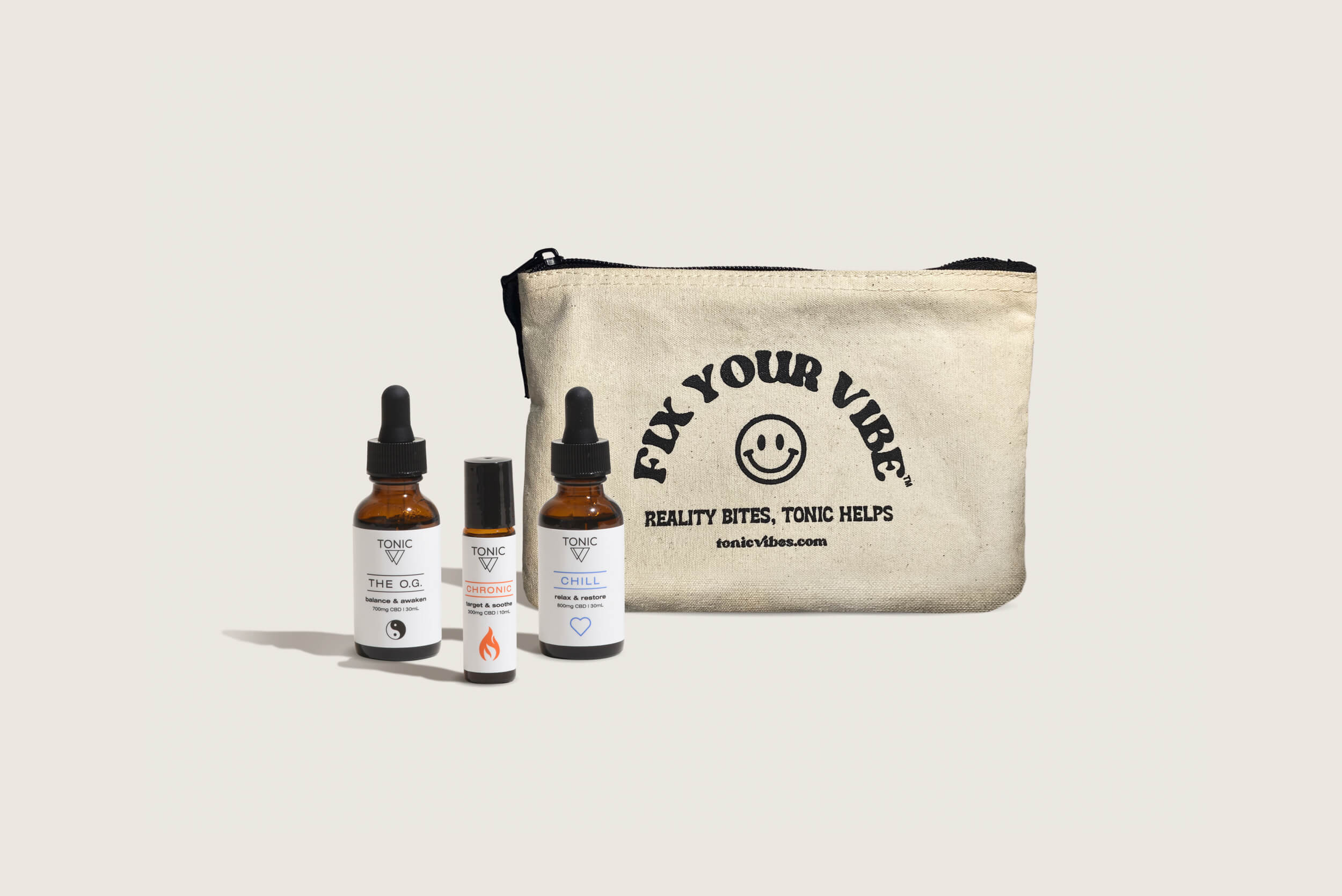
 The Steady Supply

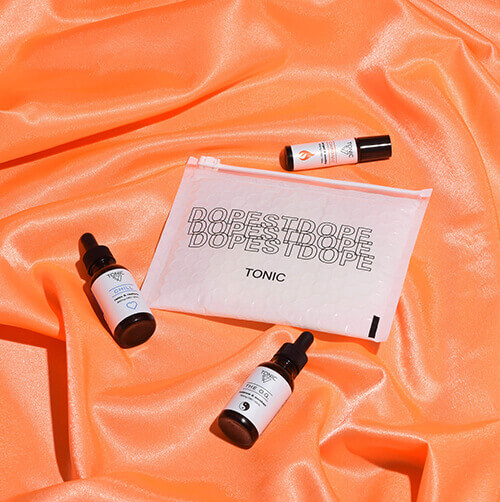 Personalized Vibes
The Liver Lowdown: What Your Liver Actually Does and How to Keep It Happy
Your liver is one of the largest and most hardworking organs in your body. It helps process nutrients, makes bile for digestion, stores energy, regulates blood chemistry, helps manage cholesterol and fats, processes medications and other substances, and plays a major role in immune function and metabolism. It also helps turn potentially harmful substances into forms your body can eliminate.
And lately, liver health has become one of those wellness topics that seems to be everywhere.
“Your liver is overloaded!” “Your liver is toxic!” “Your liver is the reason you’re tired!” “Do this 7-day liver detox and flush EVERYTHING!”
At this point, your liver probably needs a vacation from the internet.
But underneath all the questionable detox teas and terrifying TikToks is a very real conversation worth having: your liver matters enormously to your overall health.
The trick is understanding what that actually means.

So, what does your liver actually do?
Basically, your liver is the body’s very busy processing plant.
After you eat, nutrients absorbed from your digestive tract travel through your bloodstream to the liver. Your liver processes those nutrients, stores some for later, and sends others where they’re needed.
It produces bile, which helps digest fats and absorb certain fat-soluble vitamins. It helps regulate glucose and lipid metabolism. It produces important proteins, including proteins involved in blood clotting. And it metabolizes many medications, hormones and other compounds.
It also plays a role in your body’s defense systems.
So yes, the liver is kind of a big deal.
Is everyone’s liver “overburdened”?
Here’s where we need to pump the brakes on the wellness-industrial complex.
Your liver does not become “overburdened” simply because you ate dessert, took a medication, had a glass of wine, or live in a modern world where approximately everything comes wrapped in plastic.
Your liver is specifically designed to process a huge variety of substances.
And there is no good evidence that the average healthy person needs to periodically “flush” or “detox” their liver with juice cleanses, fasting protocols or expensive supplement cocktails.
In fact, the liver itself is one of your body’s primary detoxification organs.
That said, liver disease is absolutely real, and it is increasingly common.
One of the biggest current conversations is around metabolic dysfunction-associated steatotic liver disease, or MASLD, the newer name for what was previously called nonalcoholic fatty liver disease. MASLD involves excess fat accumulation in the liver in association with metabolic risk factors such as insulin resistance, elevated blood sugar, high blood pressure, abnormal blood lipids or excess body weight.
And this is important because you can have liver disease without feeling like there’s anything wrong with your liver.
The liver is annoyingly good at keeping the show running even when things aren’t ideal.

What happens when the liver isn’t functioning well?
Liver problems can develop for many different reasons, including metabolic dysfunction, too much alcohol, viral hepatitis, certain medications, autoimmune disease, genetic conditions and some supplements or herbal products.
Early liver disease can be completely silent.
As liver injury progresses, symptoms can include fatigue, weakness, nausea, abdominal discomfort, itching, jaundice, swelling and changes in mental function. More advanced chronic liver injury can eventually lead to fibrosis, cirrhosis and liver failure.
This is why the idea that “my liver isn’t detoxing well, therefore I feel terrible” is a little too simplistic.
Fatigue, brain fog, digestive problems, headaches and low energy can have many causes. They aren’t automatically signs that your liver needs a cleanse.
If you have persistent symptoms or risk factors for liver disease, actual bloodwork and medical evaluation are much more useful than guessing based on symptoms.
Your liver and your metabolic health are very much dating
One of the most interesting things about liver health is how closely it is connected to the rest of your metabolism.
Blood sugar regulation, insulin resistance, cholesterol, triglycerides, body composition and blood pressure can all intersect with liver health.
In other words, your liver isn’t sitting in a corner minding its own business.
It is part of a much larger metabolic ecosystem.
This is one reason MASLD has become such an important area of research. And fortunately, some of the most effective things you can do for metabolic health are also good for your liver.

How do you actually support your liver?
The answer is considerably less glamorous than a $78 bottle of “Liver Goddess Detox Elixir.” But it works.
1. Eat mostly whole foods
A Mediterranean-style eating pattern has some of the strongest evidence for metabolic and liver health.
Think vegetables, fruits, whole grains or other high-fiber carbohydrates, nuts and seeds, fish, olive oil and minimally processed foods.
You don’t have to eat perfectly. Your liver would probably prefer that you stop trying to eat perfectly and simply feed it reasonably well most of the time.
2. Pay attention to added sugar and ultra-processed foods
Excess calories, refined carbohydrates and added sugars can contribute to metabolic dysfunction and liver fat accumulation.
This doesn’t mean you need to fear carbohydrates. It means your liver probably doesn’t need a daily relationship with a 64-ounce sugar bomb.

3. Move your body
Exercise isn’t just for your muscles. Aerobic and resistance exercise can help reduce liver fat and improve insulin sensitivity, even independent of dramatic weight loss.
Walking counts. Strength training counts. Dancing around your kitchen because your favorite song came on counts.
Your liver does not care whether your workout outfit matches.
4. Maintain a healthy weight if weight loss is appropriate for you
For people with MASLD who have excess weight, losing even 5% to 10% of body weight can meaningfully improve liver fat, inflammation and fibrosis. Greater weight loss can produce even larger benefits.
And importantly, this is not about crash dieting. Your liver does not need another extreme wellness challenge.
5. Be thoughtful about alcohol
Alcohol is metabolized by the liver, and regular or heavy alcohol consumption can contribute to liver injury and accelerate progression of liver disease. Alcohol and metabolic risk factors can also work together to increase liver-related risk.
If you already have liver disease, talk with your healthcare provider about what level of alcohol, if any, is appropriate for you.
6. Don’t assume “natural” means liver-friendly
This one deserves a giant neon sign. Some medications can cause liver injury. So can some herbal products and supplements. AASLD specifically recognizes drug- and supplement-induced liver injury as an important clinical issue.
So before starting a supplement stack that contains 14 herbs, three mushrooms, a mystery root from the Himalayas and something called “detox matrix,” maybe check what’s actually in it.

What about coffee?
Here’s a fun plot twist for everyone who has ever felt personally attacked by a wellness influencer for drinking coffee.
Coffee has actually been associated with better liver outcomes in a substantial body of observational research.
Studies have found associations between coffee consumption and lower risks of cirrhosis and hepatocellular carcinoma, including in people with existing liver disease. The evidence is largely observational, so it does not prove that coffee itself prevents liver disease, but the association is surprisingly consistent.
So if coffee agrees with you, your morning cup isn’t necessarily the villain. Your liver may actually be quietly cheering from the sidelines.

Black seed oil and the liver
Black seed oil comes from Nigella sativa, a plant that has been studied for its antioxidant and anti-inflammatory properties.
And unlike some of the more speculative liver claims floating around the internet, there is actual human research looking at black seed oil and liver health.
Clinical trials in people with fatty liver disease have found improvements in some liver-related markers, including ALT and AST, and a systematic review of randomized clinical trials found improvements in liver enzyme levels and the severity of fatty liver in several studies. Researchers have also observed improvements in certain inflammatory markers.
So what’s going on here?
The theory is that black seed’s antioxidant and anti-inflammatory compounds may help address some of the oxidative stress and inflammation involved in metabolic dysfunction and fatty liver. Its potential effects on blood sugar and insulin sensitivity may also be relevant, since metabolic health and liver health are very much intertwined.
So where does Flex TONIC fit in?
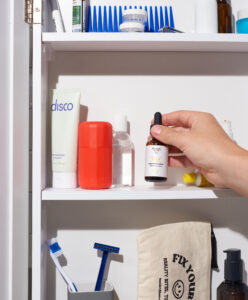
This is one reason we love the combination in Flex TONIC.
Flex combines CBD with black seed oil, bringing together two ingredients that have been studied for their effects on inflammation and metabolic health.
The black seed oil is especially interesting from a liver-health perspective, as mentioned above.
CBD has been extensively studied for its interactions with the body’s endocannabinoid system and is there for its broader wellness benefits, including supporting the body’s response to discomfort and inflammation.
Flex was designed to help inflammation, aches and discomfort, workout recovery and overall body support, while black seed oil also brings its own collection of antioxidant and anti-inflammatory plant compounds to the party.
Think of it less as a “liver cleanse” and more as giving your body some extra support in the areas that matter for feeling good and functioning well.
Because when it comes to health, we generally prefer the boring-but-effective approach: support the whole body, take care of your metabolic health, eat actual food, move around occasionally, get enough sleep, and give your liver the resources it needs to keep doing its incredibly unglamorous but very important job.
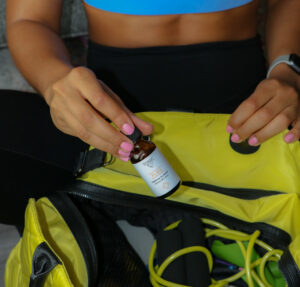
A few other herbs worth knowing about
There are several herbs that have been studied for liver health, including milk thistle, turmeric/curcumin, artichoke and dandelion.
Some have promising antioxidant, anti-inflammatory or liver-related research behind them, but the quality of evidence varies considerably.
And this is where we repeat our new favorite liver-health mantra:
Natural does not automatically mean effective, and natural does not automatically mean safe.
Certain concentrated herbal products can interact with medications or, ironically, cause liver injury themselves.
The dose, preparation, quality and your individual health history all matter.

Your liver needs support.
Give it a reasonable environment in which to do its job.
Eat mostly whole foods. Get enough fiber. Move your body. Support healthy blood sugar and metabolic health. Be thoughtful about alcohol. Don’t blindly stack supplements. Get appropriate medical testing if you have risk factors or persistent symptoms.
Your liver has been working behind the scenes your entire life.
Maybe we can stop making its job harder.
Because honestly, it already has enough going on.
And unlike the rest of us, it doesn’t even get to take a sick day.