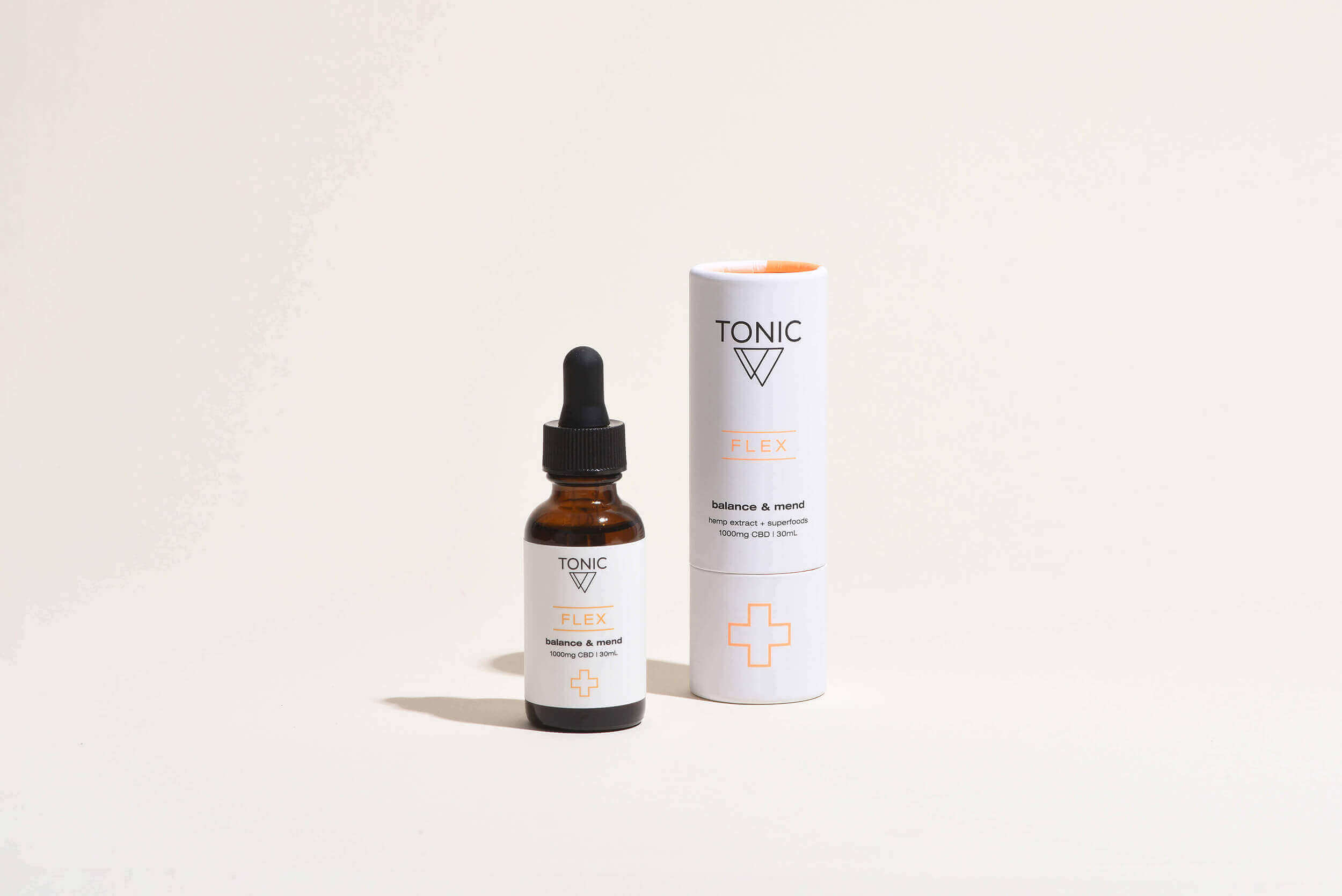
 The Steady Supply

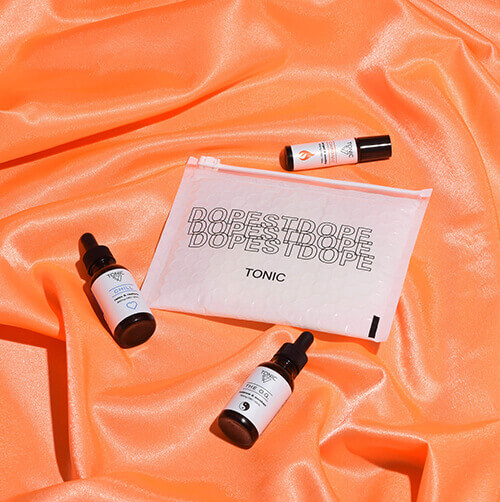 Personalized Vibes
GABA: Your Brain’s “Calm Down” Chemical Explained
Modern life asks a lot from our brains.
Traffic. Deadlines. Family drama. Wondering if that weird mole has always been there. Trying to figure out whether your houseplant is thriving or silently holding a grudge.
Through all of it, your brain is working overtime to keep everything running smoothly.
One of its biggest helpers is GABA.
Think of GABA as the world’s most patient crossing guard. While the rest of your brain is trying to sprint in every direction at once, GABA is standing in the middle with a whistle saying, “One at a time, people.”
Without enough GABA activity, things can get a little chaotic. Like releasing twelve golden retriever puppies into a trampoline park. Sign me up for the puppy trampoline park STAT, but maybe just not in my brain.

What Is GABA?
GABA stands for gamma-aminobutyric acid, and it’s the primary inhibitory neurotransmitter in your central nervous system.
“Inhibitory” sounds negative, but it’s actually a very good thing.
Your brain constantly receives signals telling neurons to fire. GABA helps tell them, “Hey…maybe let’s not.”
Its job is to slow excessive nerve activity so your brain and body stay balanced.
Think of glutamate as the gas pedal and GABA as the brakes. You definitely need both.
But without enough braking, the nervous system can become overactive.

What Does GABA Do?
Healthy GABA signaling plays a role in:
- Promoting relaxation
- Supporting healthy sleep
- Helping regulate anxiety
- Maintaining balanced mood
- Supporting focus by reducing excessive neural “noise”
- Coordinating muscle movement
- Helping regulate the body’s response to stress
Researchers have also found that altered GABA activity is associated with several neurological and psychiatric conditions, including anxiety disorders, epilepsy, insomnia, and depression. That does not mean low GABA causes these conditions by itself, but it appears to be one important piece of a much larger puzzle.

What Happens When GABA Activity Is Low?
You know the feeling when your body is exhausted but your brain is hosting its own TED Talk.
At 1:47 AM. About something that does not matter.
Reduced GABA activity has been associated with:
- Racing thoughts
- Feeling constantly “on edge”
- Difficulty relaxing
- Trouble falling asleep
- Increased stress sensitivity
- Muscle tension
Again, these symptoms can have many causes. GABA is only one factor among many.
Which begs the question:
How Can You Increase GABA?
While scientists are still figuring out the best ways to support healthy GABA activity, current research suggests that several lifestyle habits may help maintain normal GABA function.
Exercise
Regular physical activity appears to increase GABA signaling in certain regions of the brain.
Yoga, in particular, has been shown in several human studies to increase brain GABA levels compared to walking.

Sleep
Poor sleep disrupts multiple neurotransmitter systems, including GABA.
Which creates the cruelest cycle imaginable:
You need GABA to sleep.
You need sleep for healthy GABA function.
Rude.
Here’s how CBD can help with that though😉
Meditation
Brain imaging studies have found that meditation may positively influence GABAergic activity while reducing stress responses.
So basically, ten minutes of breathing is cheaper than replacing your laptop after launching it across the room. Even if the first few minutes are mostly spent wondering whether chipmunks have best friends. (I refuse to live in a world where they don’t)
Eating Enough Protein
GABA is synthesized from glutamate, which ultimately comes from dietary amino acids.
No, this doesn’t mean eating seventeen chicken breasts gives you superpowers.
But adequate protein intake supports healthy neurotransmitter production.

Does CBD Affect GABA?
This is where things get really interesting.
Contrary to what many wellness websites claim, CBD does not appear to directly increase GABA levels.
Instead, research suggests CBD may enhance GABA signaling by acting as a positive allosteric modulator of GABA-A receptors.
In normal human language:
Imagine GABA is trying to unlock a door. CBD doesn’t hand GABA another key. It helps the lock work more smoothly.
Researchers believe this may be one of several mechanisms contributing to CBD’s calming effects, alongside its interactions with serotonin (5-HT1A receptors), the endocannabinoid system, inflammation pathways, and stress regulation.
Clinical studies have found CBD may help reduce anxiety in certain situations, including public speaking and generalized anxiety, although larger long-term trials are still needed.

RIP😢
Lemon Balm and GABA
Lemon balm has one of the strongest research connections to GABA among calming herbs.
One of its active compounds, rosmarinic acid, appears to inhibit an enzyme called GABA transaminase (GABA-T).
That enzyme normally breaks down GABA. Less breakdown may allow GABA to remain available longer.
Several randomized studies have found lemon balm may improve calmness, reduce anxiety, improve sleep quality, and enhance cognitive performance under stress.
Which is great news for anyone whose nervous system currently resembles a raccoon drinking espresso🤙
Passionflower and GABA
Passionflower has been used traditionally for centuries to promote relaxation.
Modern research suggests flavonoids within passionflower interact with GABA receptors. Several randomized controlled trials have found passionflower may reduce symptoms of anxiety and improve sleep quality.
Ashwagandha and GABA
Ashwagandha has become famous for supporting stress resilience, and researchers are beginning to understand why.
Clinical trials consistently show that standardized ashwagandha extracts can reduce perceived stress, lower cortisol levels, improve sleep quality, and reduce anxiety symptoms.
Scientists believe modulation of GABA signaling is likely one of several mechanisms involved, although more research is needed to confirm exactly how this occurs.

Meet Your New Daily Ritual
Supporting your nervous system isn’t about flipping a magical “calm” switch.
It’s about consistently giving your body the tools it needs to find balance.
The O.G. TONIC
The O.G. TONIC combines:
- Full-spectrum CBD
- Organic Ashwagandha
- Organic Black Seed Oil
It’s designed for daily use to help support stress resilience, promote a balanced mood, and encourage mental clarity.
CBD may help support healthy GABA signaling, while ashwagandha has been extensively studied for stress and cortisol support. Black seed oil brings additional antioxidant and anti-inflammatory compounds to the mix.
Think of it as daily support for keeping your internal “everything is fine” alarm from becoming your full-time personality.

Chill TONIC
Need a little extra support when life starts life-ing?
Chill TONIC includes:
- Full-spectrum CBD
- Organic Ashwagandha
- Organic Lemon Balm
- Organic Passionflower
- Organic Black Seed Oil
Rather than making you feel sedated, these botanicals are designed to help your body return to a more balanced state when everyday stress tries to steal the show.
Perfect for winding down after a long day, navigating stressful moments, or whenever your brain starts acting like every minor inconvenience deserves its own dramatic soundtrack.

The Bottom Line
Your brain is doing an incredible amount of work every single day.
Helping you think. Learn. Move. Remember names. Regulate emotions. Find your keys after you swear someone else moved them. And somehow keeping you from yelling at the self-checkout machine when it insists you’ve placed an “unexpected item in the bagging area.”
GABA helps keep all of that activity balanced without being too overwhelming.
While no supplement can replace sleep, movement, good nutrition, or stress management, emerging research suggests that ingredients like CBD, ashwagandha, lemon balm, and passionflower may help support the body’s natural calming systems through several complementary pathways, including healthy GABA signaling.
The world will probably keep being wonderfully weird. Chaos is probably here to stay. Thankfully, your nervous system doesn’t have to match its energy.
Clinical Studies & References
- Nutt DJ, et al. GABA-A receptors and anxiety: implications for treatment. Dialogues in Clinical Neuroscience. 2005.
- Möhler H. The GABA system in anxiety and depression. Neuropharmacology. 2012.
- Streeter CC, et al. Yoga Asana Sessions Increase Brain GABA Levels. Journal of Alternative and Complementary Medicine. 2007.
- Blessing EM, et al. Cannabidiol as a Potential Treatment for Anxiety Disorders. Neurotherapeutics. 2015.
- Bakas T, et al. Cannabidiol enhances GABA-A receptor activity. British Journal of Pharmacology. 2017.
- Crippa JAS, et al. Cannabidiol reduces anxiety induced by simulated public speaking. Neuropsychopharmacology. 2011.
- Chandrasekhar K, et al. A prospective randomized double-blind placebo-controlled study of ashwagandha for stress reduction. Indian Journal of Psychological Medicine. 2012.
- Lopresti AL, et al. Ashwagandha supplementation and stress: a systematic review. Journal of Herbal Medicine. 2019.
- Kennedy DO, et al. Modulation of mood and cognitive performance following acute administration of Melissa officinalis. Psychosomatic Medicine. 2004.
- Cases J, et al. Pilot trial of Melissa officinalis for stress and sleep disturbances. Mediterranean Journal of Nutrition and Metabolism. 2011.
- Miyasaka LS, et al. Passiflora incarnata in anxiety disorders: systematic review. Phytotherapy Research. 2020.
- Dantas LP, et al. Passiflora incarnata for generalized anxiety disorder: randomized controlled trial. Journal of Clinical Pharmacy and Therapeutics.